Introduction to Anger Challenges in High-Functioning Autism
Children and adults with high-functioning autism often face unique emotional regulation challenges, particularly with anger. This article explores the nature of anger within this group, underlying causes, and evidence-based approaches to managing these outbursts effectively, aiming to improve quality of life and emotional wellbeing.
The Nature of Anger in High-Functioning Autism
What is the nature of anger experienced by individuals with high-functioning autism?
Anger in individuals with high-functioning autism often presents in both children and adults through various behaviors. Common manifestations include verbal aggression such as shouting and name-calling, as well as physical aggression including hitting and slapping. In some cases, self-injury and destruction of objects may also occur. These reactions are not intentional but are linked to challenges in emotional regulation, which is a core difficulty within autism spectrum disorder (ASD).
How does emotional regulation difficulties contribute to anger in ASD?
Emotional regulation refers to the ability to manage and respond to emotional experiences appropriately. In individuals with high-functioning autism, difficulties with emotional regulation can cause intense anger outbursts. These challenges stem from sensory overload, anxiety, disruptions in routine, and communication struggles, making it hard for them to process and regulate anger effectively.
Understanding these manifestations and the underlying emotional regulation issues helps caregivers and professionals respond with empathy and develop tailored strategies to support those with high-functioning autism in managing their anger more constructively.
Common Triggers of Anger in High-Functioning Autism
What Are Common Causes or Triggers of Anger in Individuals with High-Functioning Autism?
Children and adults with high-functioning autism often experience anger due to several overlapping triggers. A major cause is sensory overload, where excessive noise, bright lights, or crowded environments overwhelm their sensory systems. This heightened sensitivity can lead to frustration and emotional outbursts.
Disruptions to familiar routines also frequently trigger anger. Many individuals with autism find comfort and predictability in their daily schedules, so unexpected changes or interruptions can result in confusion and distress.
Stress and anxiety play a significant role as well. These emotions may build up due to social misunderstandings or difficulties interpreting others' behaviors, contributing to feelings of frustration and anger.
Social misunderstandings or challenges in communication further exacerbate anger. Difficulty grasping social cues or processing interactions slowly can cause individuals to feel isolated or misunderstood, increasing the likelihood of anger responses.
Overall, these triggers—sensory overload, routine disruption, stress and anxiety, and social challenges—combine to create common causes of anger in those with high-functioning autism. Recognizing these triggers is essential for managing emotions effectively and providing appropriate support.
The Impact of Anger on Daily Life
Effects on Social Interaction
Anger in children with high-functioning autism can significantly affect their social relationships. Outbursts may lead to misunderstandings and isolation, as peers might find aggressive behaviors challenging to handle. The difficulty in managing emotions combined with communication challenges can hinder forming and maintaining friendships.
Family Dynamics
Within the family, frequent anger episodes can increase stress for both the child and family members. Parents often face challenges in supporting their child through emotional episodes, which can impact family harmony. However, parent training programs that focus on emotional management can improve parental confidence and family interactions.
Educational and Work Challenges
Anger outbursts may disrupt classroom settings, making it harder for children with autism to engage in learning activities effectively. Teachers may require additional strategies or support to manage behaviors in educational environments. For adults, unmanaged anger can complicate workplace relationships and productivity, necessitating tailored coping strategies and professional help to promote better adjustment.
Effectively managing anger through therapies, supportive environments, and coping techniques plays a crucial role in improving daily functioning across social, familial, and educational domains for individuals with high-functioning autism.
Applied Behavior Analysis (ABA) Therapy for Managing Anger
What is applied behavior analysis (ABA) therapy and how is it used to support individuals with autism?
Applied Behavior Analysis (ABA) therapy is a scientifically grounded approach that focuses on understanding and improving behavior through learning principles. For individuals with autism, including those with high-functioning autism who may experience difficulties with anger management, ABA therapy helps develop essential skills such as communication, social interaction, and emotional regulation.
ABA programs are tailored to each individual's needs and delivered by trained behavior analysts. Techniques like prompting and positive reinforcement guide children to learn new, more adaptive behaviors while decreasing challenging behaviors such as anger outbursts.
Techniques Used in ABA for Anger Management
Promoting constructive responses involves strategies like prompting — providing cues or assistance to encourage desired actions — and reinforcing positive behaviors by rewarding progress. Structured teaching methods, such as Discreet Trial Training (DTT), break down complex skills into manageable steps, making learning more accessible.
Behavior analysts also analyze triggers that lead to anger, helping the child understand and modify responses to sensory overload, stress, or social challenges.
Settings and Delivery
ABA therapy is highly adaptable and can be delivered at home, in schools, or community settings. Depending on the child's needs, therapy may be intensive with multiple sessions per week to ensure steady progress in both emotional regulation and other areas.
Effectiveness of ABA Therapy
Research supports ABA's effectiveness in reducing disruptive behaviors like anger outbursts. By focusing on teaching coping skills and promoting positive behaviors, children often experience fewer and shorter episodes of anger, improved mood stability, and increased use of self-regulation strategies.
ABA thus offers a comprehensive, evidence-based pathway to help children with autism better manage anger, enhancing their emotional wellbeing and overall quality of life.
Goals of Behavioral Therapy in Autism
What are the main goals of behavioral therapy for autism?
Behavioral therapy, especially Applied Behavior Analysis (ABA), aims to support individuals with autism spectrum disorder by targeting several critical areas for improvement. A primary focus is enhancing communication skills. This involves teaching children to express their needs, understand language, and engage in meaningful conversations, which is crucial for their social interactions and overall development.
Social skills development is another essential goal. Behavioral therapy helps children learn how to interact appropriately with peers and adults, recognize social cues, and build friendships. These skills play a significant role in improving their social integration and emotional well-being.
Reducing challenging behaviors is also fundamental. Therapists work on minimizing behaviors that may be harmful or disrupt learning, using positive reinforcement and structured interventions. This not only creates a safer environment but also promotes more adaptive behaviors.
Adaptive functioning involves teaching daily living skills such as dressing, grooming, eating, and following routines. These skills foster greater independence and ease the transition into different settings like school or community environments.
Ultimately, behavioral therapy strives to cultivate independence. By teaching practical skills and coping strategies, individuals with autism can manage their environments more effectively, leading to improved quality of life and self-confidence.
These goals are interconnected and collectively support comprehensive development. Through evidence-based methods tailored to each child's needs, behavioral therapy empowers children with autism to reach their full potential.
Qualifications and Roles of ABA Therapy Providers
Who typically provides ABA therapy and what qualifications do these professionals have?
Applied Behavior Analysis (ABA) therapy is delivered by a specialized team of professionals with distinct qualifications and roles. The main providers include Board Certified Behavior Analysts (BCBAs), Registered Behavior Technicians (RBTs), and behavior therapists.
Types of Professionals
- Board Certified Behavior Analysts (BCBAs): These professionals possess at least a master's degree in behavior analysis or related fields. They have completed extensive supervised fieldwork and passed a rigorous certification exam.
- Registered Behavior Technicians (RBTs): RBTs have completed specialized training in ABA techniques and work under BCBA supervision. They implement therapy sessions directly with clients.
- Behavior Therapists: Often with varied educational backgrounds, they receive targeted ABA training and assist in conducting assessments and interventions.
Training and Certification Requirements
BCBAs must complete graduate-level coursework, accumulate supervised practical hours, and successfully pass a national certification exam. RBTs undergo focused training programs and achieve certification by passing competency evaluations.
Roles in Therapy Delivery
BCBAs design and oversee individualized behavior intervention plans, conduct assessments, and analyze therapy data. RBTs implement these plans in daily sessions, collect data on behaviors, and report progress. Behavior therapists support both implementation and data gathering, ensuring consistent therapy delivery.
This multidisciplinary approach leverages the expertise of each provider to maximize therapy effectiveness for individuals with autism spectrum disorder.
Effective Anger Management Strategies for High-Functioning Autism
How can listening and validating feelings help in managing anger?
Listening attentively and validating a child's feelings is crucial in managing anger, especially in children with high-functioning autism. When children feel heard and understood, it can reduce frustration and promote a sense of safety, making it easier for them to express their emotions without resorting to outbursts.
Why is providing safe spaces important?
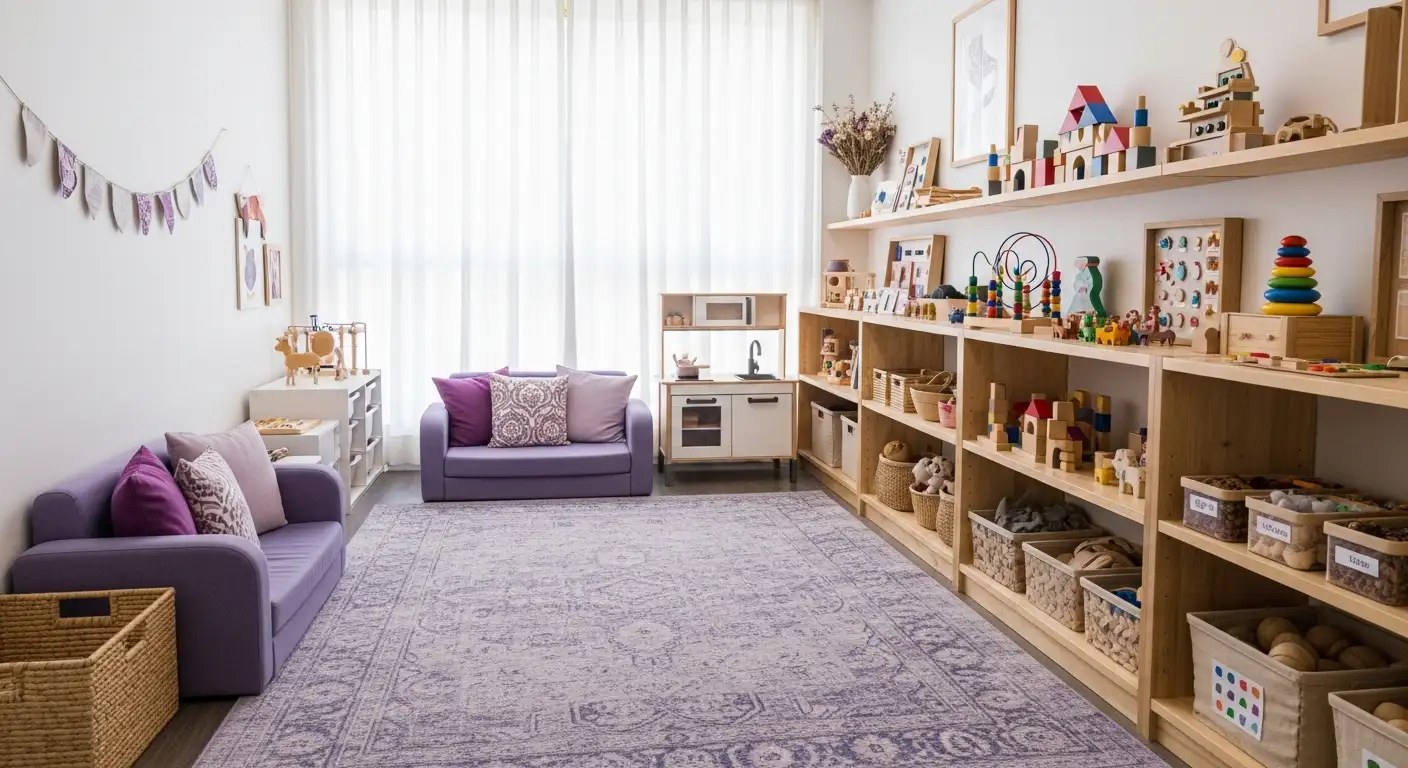
Creating safe spaces allows children to physically and emotionally retreat when overwhelmed. These areas act as calming zones where children can decompress from sensory overload or stressful situations, helping to prevent anger escalation.
What role does teaching compromise play?
Teaching children how to compromise teaches them flexibility, easing the stress caused by rigid routines or unmet expectations. Learning to negotiate and find middle ground empowers children to manage conflicts and reduces feelings of anger.
How can stress-relief tools assist?
Using stress-relief tools such as fidget toys or sensory objects offers a tangible way for children to redirect their energy and soothe themselves. These tools can reduce sensory overload and help children focus on calming activities rather than anger triggers.
Why is encouraging physical activity beneficial?
Physical activity positively impacts emotional regulation by releasing built-up energy and stress. Incorporating regular exercise or movement breaks can diminish the frequency and intensity of angry outbursts in children with autism.
By integrating these strategies—listening and validating feelings, safe spaces, teaching compromise, stress-relief tools, and physical activity—caregivers and educators can create supportive environments that help children with high-functioning autism manage anger more effectively.
Role of Physical Activity and Relaxation Techniques
How Does Exercise Benefit Emotion Regulation in Children with High-Functioning Autism?
Physical activity plays a significant role in helping children with high-functioning autism manage their emotions, particularly anger. Exercise has been shown to reduce the frequency and intensity of angry outbursts by promoting overall emotional regulation. Engaging in physical activities allows children to release built-up tension, manage stress, and improve mood, making it easier for them to cope with triggers such as sensory overload or disruptions in routine.
What Are Some Effective Relaxation Techniques?
Relaxation practices are equally important tools for calming anger and other strong emotions. Several techniques have been found beneficial for children with autism:
Deep Breathing: This simple technique helps slow the heart rate and promote calm. Teaching children to focus on slow, deep breaths can reduce physical signs of anger and distress.
Visualization: Guiding children to imagine peaceful scenes or pleasant experiences can divert their attention away from anger triggers and induce relaxation.
Yoga and Tai Chi: Both involve gentle body movements combined with focused breathing, helping improve mindfulness and body awareness, which supports emotional control.
Verbal Repetition: Repeating calming phrases aloud or silently can reinforce a sense of control and reduce anxiety-driven anger.
Incorporating these techniques provides children with tools to manage frustration before it escalates into anger.
Together, physical activity and relaxation methods create a balanced approach for managing autism-related anger, equipping children with healthy strategies to regulate their emotions effectively.
Cognitive-Behavioral Therapy (CBT) Adaptations for Young Children with ASD
What Is Developmentally Modified CBT for Young Children with ASD?
Developmentally modified CBT is tailored to suit the unique cognitive and emotional needs of young children aged 5-7 with high-functioning autism spectrum disorder (ASD). It adjusts traditional cognitive-behavioral therapy techniques to be more accessible and engaging for this age group.
How Is Group Therapy Structured?
The therapy involves 9 weekly sessions conducted in a group format with 11 children participating. Group therapy offers a social learning environment where children can practice emotional regulation alongside peers, which aids in generalizing coping skills.
What Techniques Are Used During Therapy?
To make sessions engaging and developmentally appropriate, the therapy incorporates songs, stories, and play activities. These fun methods help children grasp complex emotions and concepts like anger and anxiety more easily. The activities are designed to foster affective education, stress management, and emotional expression.
What Is the Focus of This CBT Intervention?
The central aim is to enhance emotional regulation and expression in children with ASD. By teaching children to identify, manage, and express their feelings, especially anger and anxiety, the program reduces outbursts and mood instability.
Additional Support: Parent Training
Parent training sessions complement the therapy by providing psychoeducational support. This boosts parents' confidence in managing their child's emotions and reinforces therapy goals at home.
This tailored CBT approach highlights the importance of early intervention and parental involvement in helping young children with ASD develop healthier emotional responses and coping mechanisms.
Parent Involvement in Emotional Regulation Therapy
What are psychoeducation sessions for parents?
Psychoeducation sessions are structured meetings designed to inform and educate parents about autism, emotional regulation, and specific challenges their children face, such as anger and anxiety. These sessions provide parents with knowledge about how to support their child's emotional needs and understand the therapy process. They also offer practical strategies to enhance parenting skills specifically tailored to children with high-functioning autism.
How do these sessions influence parental confidence and support?
Psychoeducation boosts parental confidence by equipping caregivers with effective tools to manage difficult behaviors. Parents learn to recognize emotional triggers and implement coping strategies that help their children navigate intense feelings. Increased understanding reduces parental stress and feelings of helplessness, enabling parents to provide consistent support and create a calm, supportive environment at home.
What impact does parent involvement have on managing a child's anger and anxiety?
Parent training that includes psychoeducation significantly improves outcomes in managing a child's anger and anxiety. Research shows that when parents are actively involved and informed, children experience fewer and shorter outbursts, improved mood stability, and better emotion regulation. Parents also report feeling more competent and confident in addressing their child’s emotional challenges, which fosters a more positive family dynamic and supports lasting behavioral improvements.
The combination of parent psychoeducation, child-focused therapy, and collaborative approaches creates a robust framework for early intervention in emotional regulation for young children with autism, ultimately enhancing both child and caregiver well-being.
Outcomes of Emotion Regulation Therapy in Children with High-Functioning Autism
Reductions in Outburst Frequency and Intensity
Children with high-functioning autism who participated in developmentally modified cognitive-behavioral therapy (CBT) showed notable decreases in both the frequency and intensity of their angry outbursts. Over the course of nine weekly group sessions, which integrated affective education and stress management, children demonstrated fewer and shorter episodes of anger, indicating better self-control.
Improvements in Mood Stability
The therapy also contributed to better mood regulation. Children displayed lower mood lability, meaning their emotional responses became more stable and less prone to rapid fluctuations. This improved emotional steadiness is crucial for managing the challenges related to autism, such as anxiety and frustration that often trigger anger.
Enhanced Use of Coping Strategies
Participants learned and applied new coping strategies to deal with anger and anxiety more effectively. Increased use of these techniques was observed through their responses to various emotional scenarios, showing heightened awareness and emotional regulation.
Parental Feedback and Confidence
Parents involved in psychoeducational sessions reported significant improvements in their confidence to support their child's emotional needs. Many noted they felt better equipped to manage their child's anxiety and anger, strengthening the home environment as a supportive space for emotion regulation. This parent training played a critical role in reinforcing the therapy's benefits.
The combination of enjoyable and developmentally appropriate activities such as songs, stories, and play during therapy helped engage children effectively. Early intervention with tailored CBT not only enhances children's emotional control but also empowers parents, creating a comprehensive approach to managing anger in young children with high-functioning autism.
Developing Personalized Action Plans to Prevent Anger Episodes
Using Visual Scales to Identify Feelings
Visual scales are valuable tools for helping children with high-functioning autism recognize and communicate their emotions. These scales often use pictures or colors to represent different feelings, making it easier for children to express when they are becoming upset or overwhelmed. This early identification can help prevent anger from escalating.
Avoiding Overstimulation and Other Triggers
Understanding and minimizing common triggers such as sensory overload, disruptions in routine, and stressful social situations plays a crucial role in managing anger. Caregivers and educators can observe the child’s reactions to different environments and modify settings to reduce overstimulation, for instance, by providing quieter spaces or predictable daily schedules.
Creating Individual Strategies
Personalized action plans are designed around the unique needs of each child. These plans might include safe spaces for calming down, stress-relief toys, or scheduled physical activities that aid in emotion regulation. Teaching compromise and problem-solving skills empowers children to handle frustrating situations more effectively.
Building Support Networks
A reliable support system comprising parents, teachers, therapists, and trusted peers strengthens a child's emotional resilience. Consulting professionals like psychologists or therapists experienced in autism can aid in tailoring strategies and providing ongoing guidance. Parent training sessions enhance confidence in managing the child's emotions and reinforce consistency at home and school.
By integrating these personalized approaches, children with high-functioning autism can develop better control over anger, leading to improved emotional wellbeing and smoother social interactions.
Conclusion: A Holistic Approach to Managing Anger in High-Functioning Autism
Understanding and managing anger in individuals with high-functioning autism requires a nuanced approach that addresses the unique triggers and manifestations of emotion regulation challenges within this population. Evidence-based therapies like ABA and modified cognitive-behavioral interventions, combined with physical activity, relaxation techniques, and strong parental involvement, are integral for fostering emotional stability and coping skills. Early intervention, personalized strategies, and professional support can significantly reduce the frequency and severity of anger outbursts, enhancing social interactions, family dynamics, and overall quality of life for those with high-functioning autism.
References
- High-Functioning Autism and Anger
- How to cope with autism anger in adults
- How to Deal with Autism Anger
- Improving Emotion Regulation with CBT in Young Children ...
- Applied Behavior Analysis (ABA)
- Behavioral Therapy for Autism Spectrum Disorder in Children
- Treatment and Intervention for Autism Spectrum Disorder
- Applied Behavior Analysis (ABA)